
 15 May 2026
 Share
Share
1
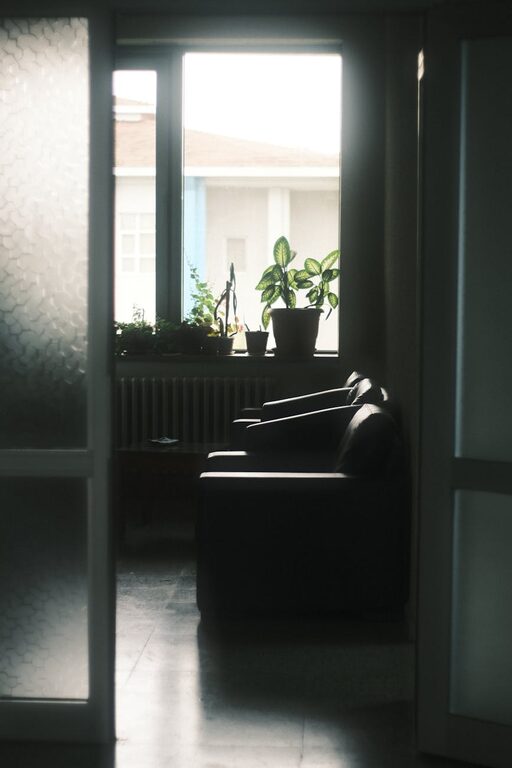
Creating a relaxing home environment doesn’t require a complete makeover or expensive renovations. Often, small, thoughtful decor changes can transform your space into a tranquil retreat that supports your well-being. Whether you live in a cozy apartment or a spacious house, these practical tips will help you enhance comfort and calmness through simple home decor adjustments.
Our homes are where we unwind, recharge, and spend quality time with loved ones. A peaceful atmosphere helps reduce stress, improve sleep, and boost overall happiness. By focusing on calming elements, you create a sanctuary that supports both mental and physical health.
Colors influence mood more than we realize. Soft, neutral, and muted tones can make a room feel calm and inviting.
– Opt for shades like soft blues, greens, beige, or warm grays.
– Avoid overly bright or harsh colors in main living areas.
– Use accent pieces like throw pillows or artwork to add subtle color without overwhelming the space.
Clutter can create subconscious stress. Keeping your space tidy makes it easier to relax.
– Regularly remove items you don’t need or use.
– Use storage solutions like baskets, boxes, or shelves.
– Keep surfaces clear to create a sense of openness.
Bringing nature indoors adds a calming effect and freshens your environment.
– Add houseplants suited to your light conditions; they also improve air quality.
– Use natural materials such as wood, stone, or linen in furniture and decor.
– Consider decor inspired by nature, such as botanical prints or ocean motifs.
Harsh lighting can increase tension. Gentle, warm light invites relaxation.
– Choose lamps with warm-colored bulbs (2700K to 3000K).
– Use dimmers to adjust light intensity.
– Incorporate candles or fairy lights for a cozy feel.
Texture plays a big role in comfort. Layering soft fabrics makes spaces more inviting.
– Use plush throw blankets and cushions on sofas and chairs.
– Add area rugs to soften flooring and absorb sound.
– Choose breathable fabrics like cotton or linen for upholstery and curtains.
Designate areas where you can unwind, read, or meditate.
– Add a comfortable chair, pouf, or window seat with cushions.
– Place a small side table for drinks or books.
– Use room dividers or rugs to define these spaces.
Sound impacts relaxation more than many realize.
– Use soft furnishings (curtains, rugs, cushions) to absorb sound.
– Add a white noise machine or calming music playlist to cover disruptive noises.
– Consider double-glazed windows or door draft stoppers if outside noise is a problem.
Your home should reflect what makes you feel calm and happy.
– Display meaningful photos or artwork.
– Avoid overcrowding walls or surfaces; maintain balance.
– Choose decor that inspires positive feelings or memories.
– Create a simple essential oil diffuser with cotton balls and a decorative jar.
– Make your own decorative candle holders using recycled glass jars.
– Paint an accent wall in a tranquil color for an instant mood boost.
Achieving a relaxing home environment is all about thoughtful choices and small changes that align with your personal style and comfort. By incorporating soothing colors, natural elements, soft lighting, and cozy touches, you can create a sanctuary to retreat to after a busy day. Remember, it’s not about perfection—it’s about building a space where you feel truly at ease.
Start with one or two of these simple decor changes and notice how they enhance your home’s ambiance. Over time, your space will evolve into a peaceful haven tailored specifically for relaxation and comfort.
