 15 May 2026
 Share
Share
1

Creating a productive home office environment is essential for anyone working remotely or managing projects from home. A well-designed workspace can help you stay focused, reduce distractions, and maintain work-life balance. Whether you have a dedicated room or a small corner, these tips will help you set up an efficient and comfortable home office that supports your daily goals.
Select a place in your home where you can work with minimal interruptions. A quiet area helps reduce noise distractions and enables better concentration.
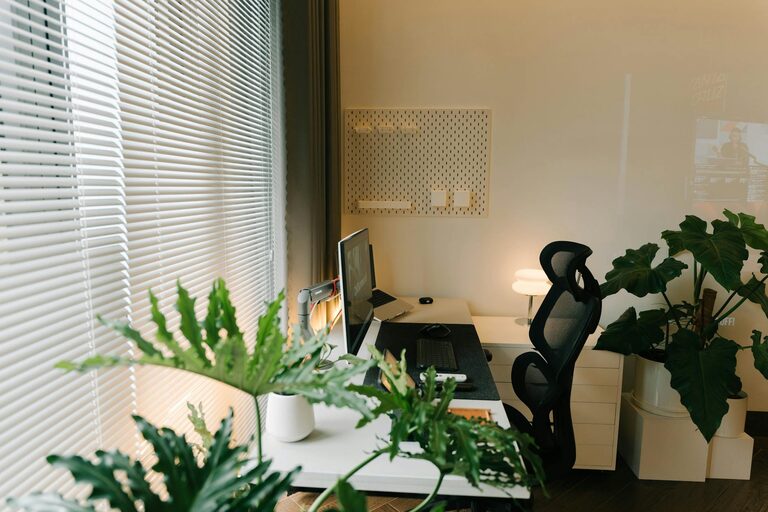
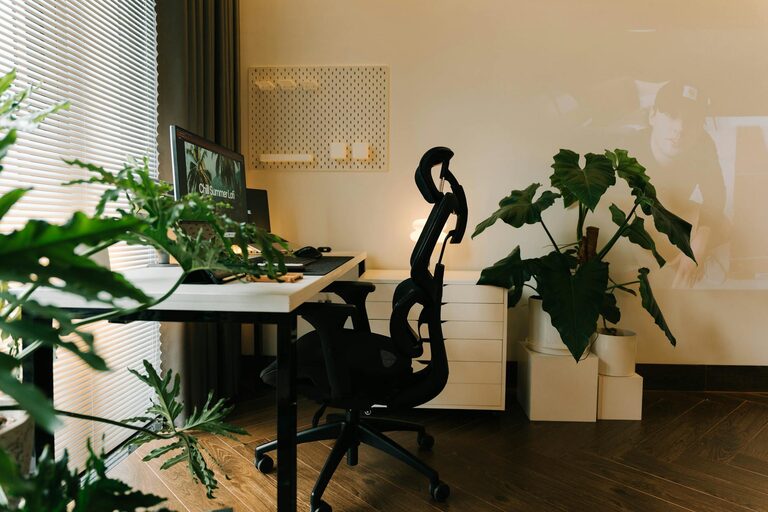
Position your desk near a window if possible. Natural light can improve mood, reduce eye strain, and increase alertness throughout the day.
Make sure you have enough room for your desk, chair, and any equipment you need. Avoid cramped areas that make it hard to stay organized.
An ergonomic chair supports your back and encourages good posture. Look for adjustable features like seat height, lumbar support, and armrests.
Pick a desk that fits your work style. Some prefer standing desks or adjustable options to alternate between sitting and standing.
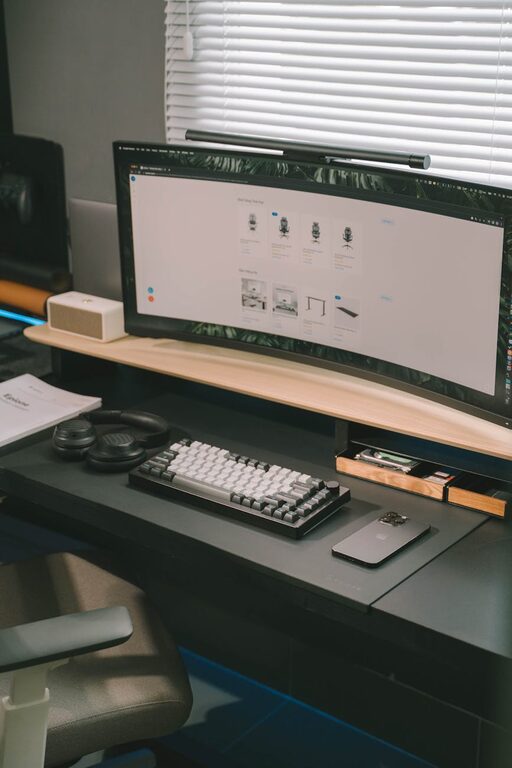
Position your monitor so the top of the screen is at or slightly below eye level. This prevents neck strain during long hours of work.
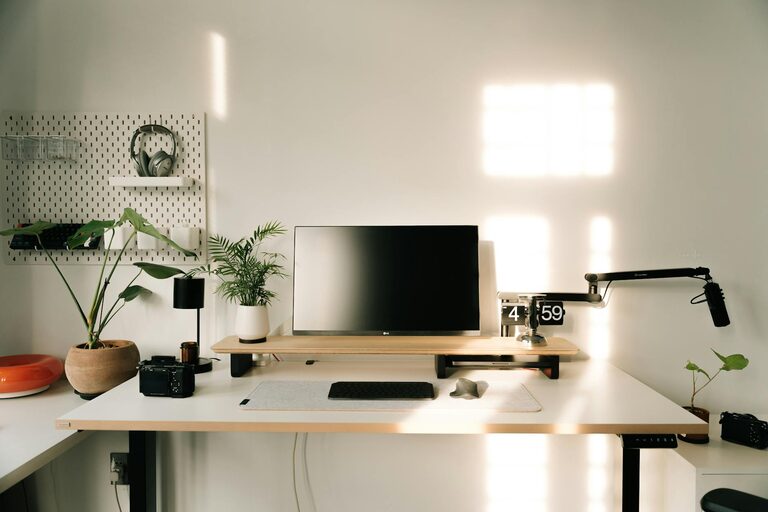
Keep only essential items on your desk. A tidy space helps reduce distractions and makes it easier to focus.
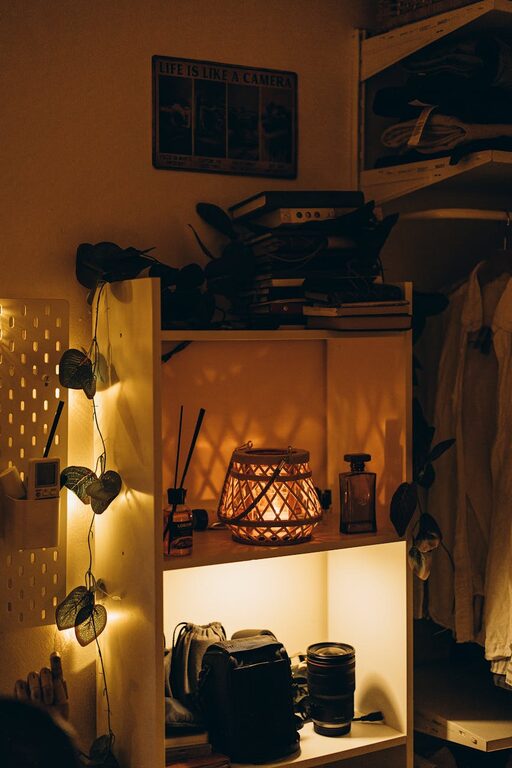
Utilize shelves, drawers, or organizers to store supplies and paperwork neatly out of sight.
Use clips, ties, or cable boxes to keep cords organized and prevent a tangled mess.
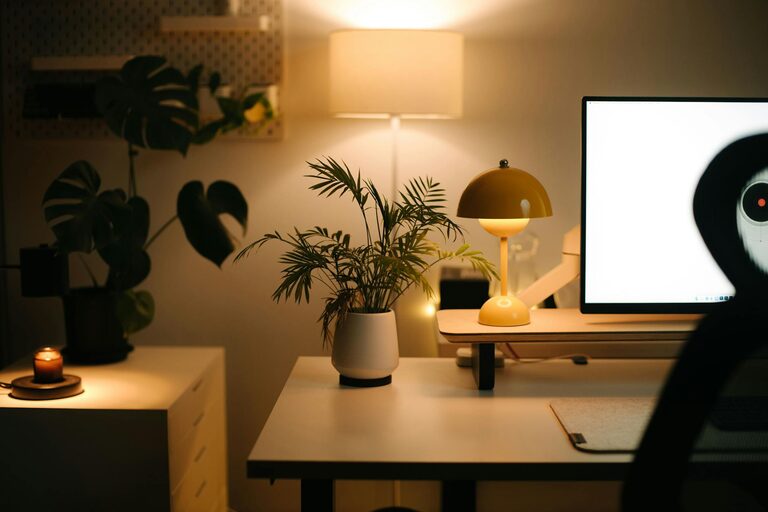
While natural light is ideal, supplement it with task lighting like desk lamps. This ensures consistent brightness without glare.
Lighting that mimics daylight or feels warm can reduce eye strain and create a comfortable atmosphere.
Communicate your work hours to family or housemates to reduce interruptions.
If external noise is unavoidable, noise-canceling headphones can help you stay focused.
Turn off unnecessary notifications and use apps or browser extensions to block distracting websites during work periods.
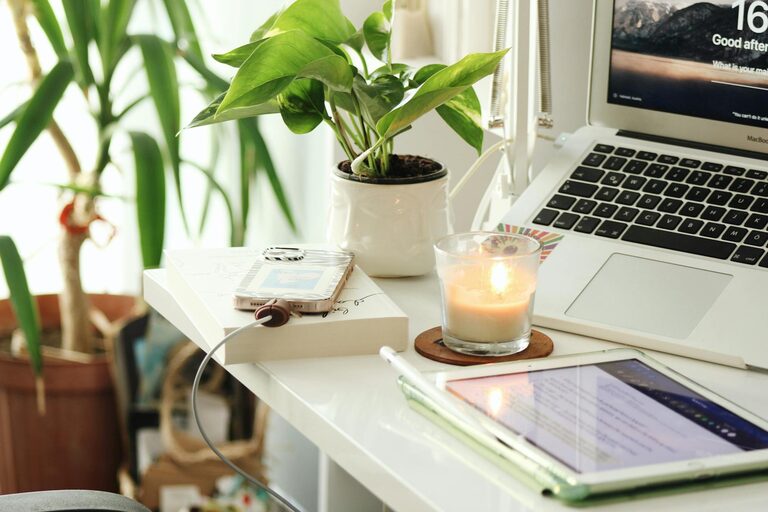
Indoor plants can boost mood, reduce stress, and improve air quality.
Photos, quotes, or artwork that motivate you can make your workspace more enjoyable.
Have water, snacks, or other items within reach to avoid frequent breaks that disrupt workflow.
Use techniques like the Pomodoro method to work in focused intervals with short rest periods.
Stretch or walk a little every hour to reduce stiffness and maintain energy.
Keep healthy snacks and water nearby to sustain concentration and well-being.
Select hardware and software that match your work needs and simplify tasks.
Regularly save and back up important files to prevent data loss.
Dust and clean your equipment frequently to maintain good performance and hygiene.
Designing a productive home office environment involves thoughtful planning, organization, and personal comfort. By choosing the right location, investing in ergonomic furniture, minimizing distractions, and caring for your well-being, you can create a space that supports your best work every day. Remember, small changes can have a big impact on your productivity and overall work satisfaction.