 15 May 2026
 Share
Share
1

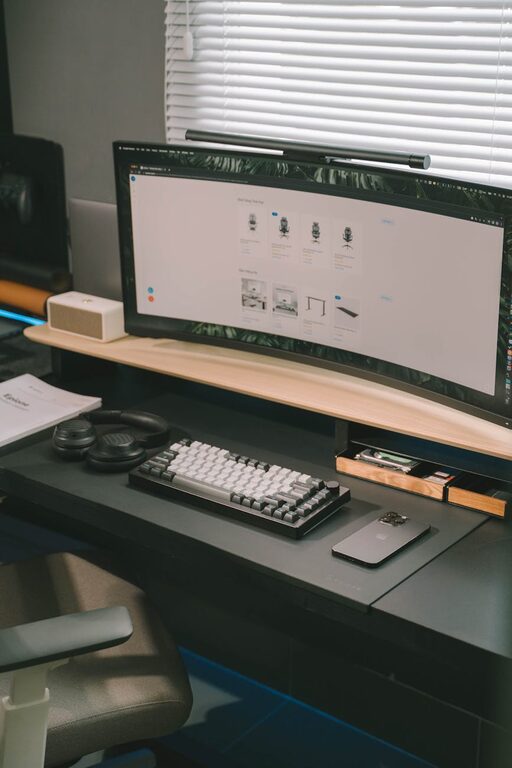
Creating a productive home office environment is key to maintaining focus, efficiency, and overall job satisfaction when working remotely or freelancing. Whether you’re starting from scratch or looking to improve your current setup, small changes can make a big difference. Below are practical tips to help you design a workspace that promotes productivity and well-being.
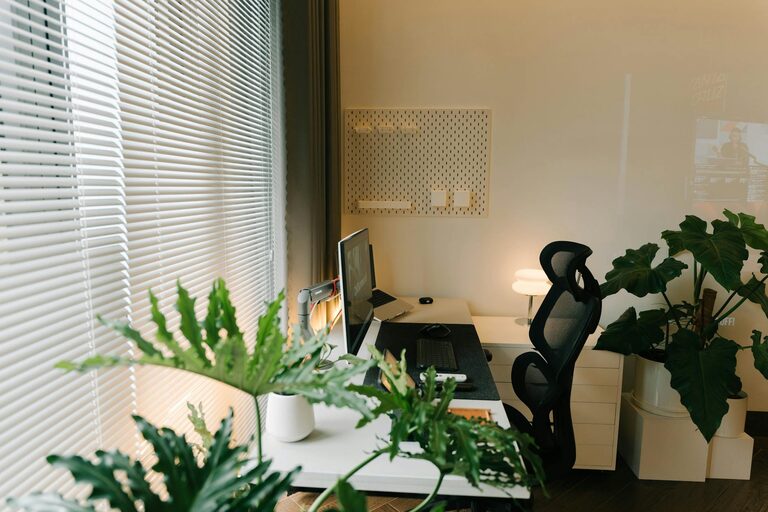
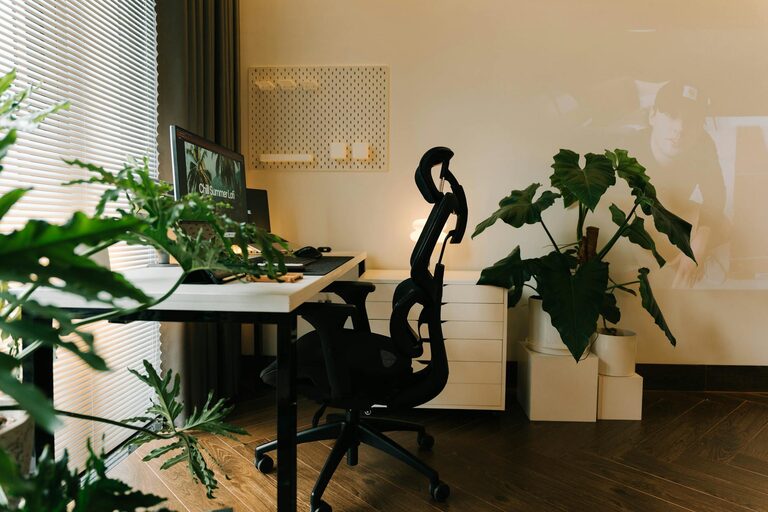
Select a spot with plenty of natural light if possible. Exposure to daylight helps keep your energy levels up and reduces eye strain. Position your desk near a window, but avoid glare directly on your computer screen.
Pick a quiet area of your home where interruptions are minimal. Separate your office from high-traffic or noisy spaces to maintain focus during work hours.
Choose a space that comfortably fits your essentials—desk, chair, computer, storage—and still allows room for movement. Avoid cramped corners or places where you feel confined.
A sturdy desk at the right height and an ergonomic chair that supports your back are foundational. Adjust your chair so your feet rest flat on the floor and your keyboard is at elbow height to prevent strain.
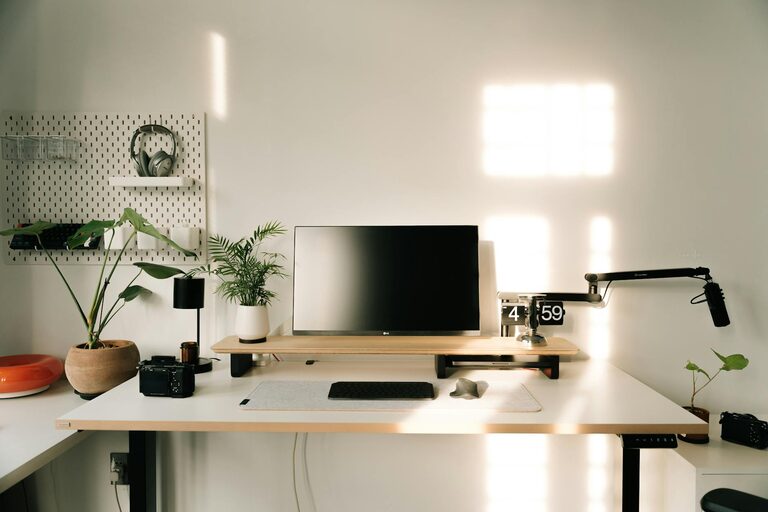
Position your monitor at eye level about an arm’s length away to avoid neck and eye discomfort. Use a monitor stand if needed.
Consider wrist rests, footrests, and adjustable laptop stands to improve comfort throughout the day.
Keep your desk clear of unrelated items to avoid distractions. Only keep necessary tools and documents nearby.
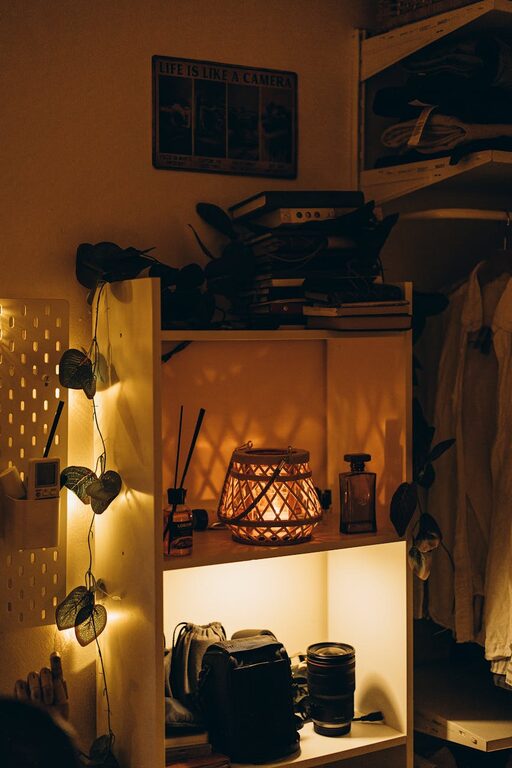
Shelving units, filing cabinets, and desk organizers help manage papers, supplies, and electronics neatly. Label storage bins for easy access.
Maintain orderly digital files and backups, which complement your physical tidiness and improve workflow.
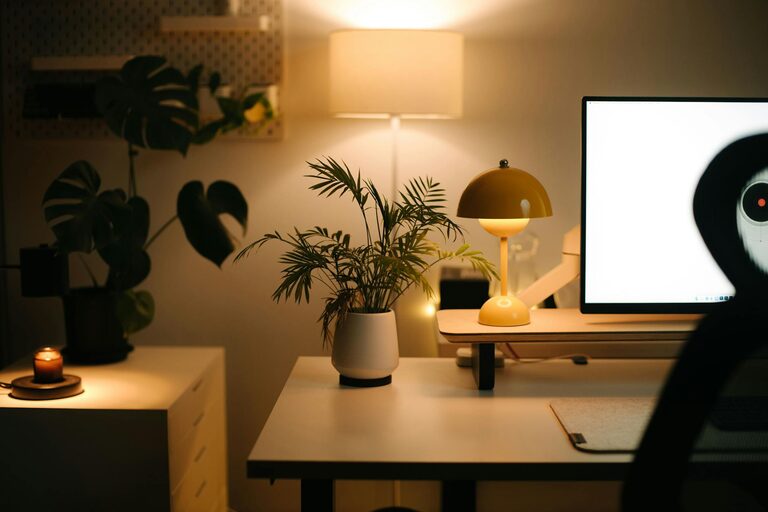
Combine natural light with overhead lights and task lamps to reduce shadows and eye strain. Adjustable lamps allow focused work on detailed tasks.
Ensure your workspace is well-ventilated and at a comfortable temperature to minimize discomfort or lethargy.
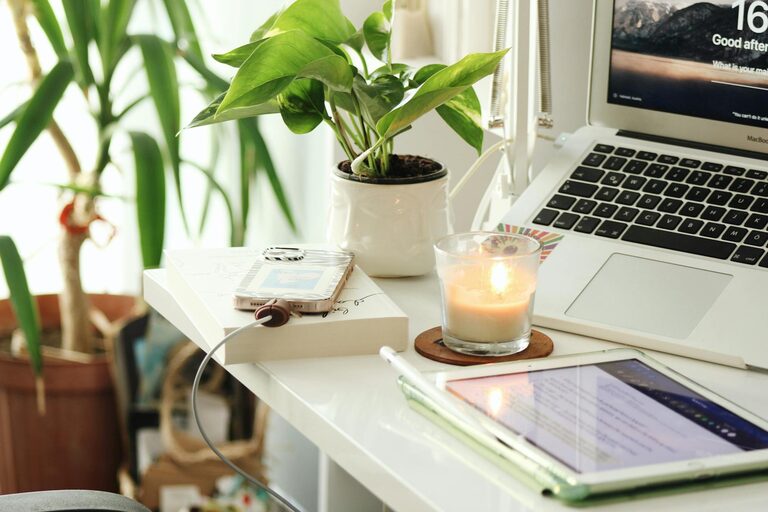
Incorporate plants, artwork, or photos that inspire and relax you without cluttering the space. These items can improve mood and creativity.
Define start and end times for your workday to separate professional time from personal life. Communicate your schedule to household members to reduce interruptions.
Close your office door, or use headphones to signal when you’re in work mode.
Step away from your desk periodically to stretch and rest your eyes. The Pomodoro technique (working in focused intervals with short breaks) can boost productivity.
Turn off non-essential alerts on your computer and phone during work hours to stay focused.
Use tools that help manage tasks, track time, and organize projects without overwhelming your system.
Separate your login accounts or browsers for work and personal use to reduce the temptation of browsing unrelated websites.
Keep water and healthy snacks close by to stay energized.
Incorporate short exercises or stretches into your routine to avoid stiffness and improve circulation.
Consider a sit-stand desk or a converter to alternate your posture during long workdays.
—
Creating a productive home office environment involves intentional choices about location, furniture, organization, and your daily habits. By tailoring your space to your needs and maintaining healthy routines, you’ll create a workspace that supports focus, creativity, and overall work satisfaction. Start small and adjust as you go—your ideal office is a work in progress!